

Support for Finding the Right Care and Next Step
Case Management is the entry point for all individuals seeking services for substance use disorder and for those who may be uncertain as to what options and services are available.
The goal of the Case Manager is to provide patients with a connection to the least restrictive level of care necessary so that an individual's life is disrupted as little as possible.
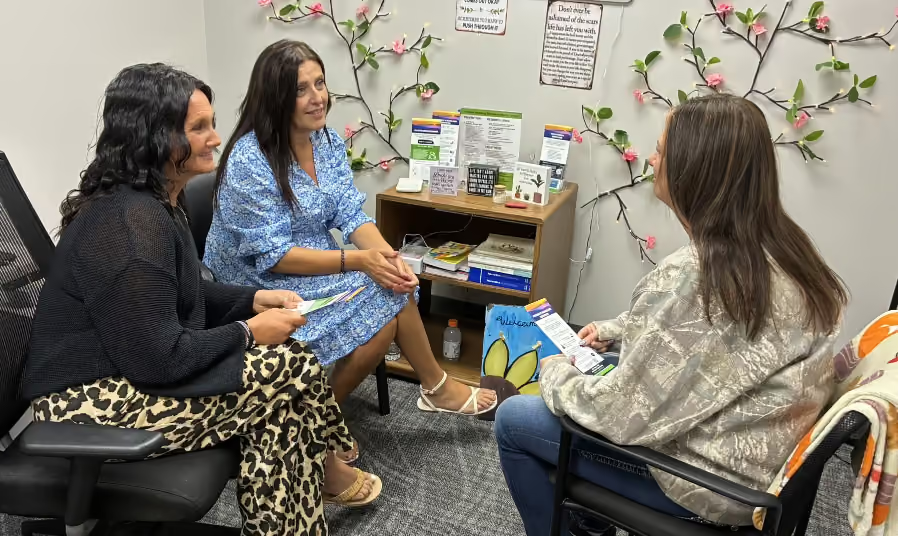
We Start with a Conversation
You do not have to know what level of care you need before reaching out. Case management begins with a respectful conversation about your situation, needs, strengths, and goals.
Our case managers understand that every person’s needs are different. We can help look at substance use concerns, medical needs, emotional well-being, employment, family, social, and legal factors so you can better understand your options and take the next step with support.
What Case Management Can Help With
Case management serves as a gateway to drug and alcohol services and helps connect people with care that is based on their individual needs.
A case manager can complete a comprehensive and confidential assessment to better understand your needs, concerns, and goals.
Case managers help determine what level of care may be appropriate, with the goal of finding support that fits your needs while minimizing disruption to your daily life whenever possible.
Once the appropriate level of care is identified, a case manager can help make referral arrangements to a licensed drug and alcohol provider.
Case managers can assist throughout the treatment process by helping with coordination, next steps, and connection to additional resources when appropriate.
Care Options May Include
Treatment and support needs can look different for each person. Case managers can help explain available options and make referrals based on assessment results and individual needs.
Withdrawal management is not a separate level of care. Instead, support for withdrawal symptoms may be available within different levels of treatment, depending on each person’s needs and clinical recommendations.
When appropriate, medications may be provided to help manage withdrawal symptoms and support comfort and safety during the treatment process. A case manager or treatment provider can help explain what options may be available and which level of care may be the best fit.
Inpatient rehabilitation provides a structured, supportive setting where individuals can focus on treatment, wellness, and recovery away from the distractions and pressures of daily life. This level of care may be recommended when someone would benefit from 24-hour support, a more intensive treatment environment, or additional medical monitoring.
During inpatient rehabilitation, individuals may participate in individual counseling, group counseling, family sessions, recovery planning, and skill-building activities. Treatment may also include support for withdrawal symptoms, medication when appropriate, and planning for continued care after discharge.
Different levels of inpatient care are available based on each person’s age, needs, medical concerns, and level of support needed. These may include:
High-intensity residential services for adults: 24-hour supportive treatment with counseling, recovery planning, coping skill development, and support for withdrawal symptoms.
Medium-intensity residential services for adolescents: 24-hour supportive treatment for youth, which may include individual, group, and family sessions. Some programs may also support adolescents involved with the juvenile justice system.
Medically monitored inpatient services: 24-hour evaluation, observation, and medical monitoring for individuals who may have more significant health needs.
Medically managed inpatient services: A higher level of medical and nursing care for individuals whose health needs require more intensive support.
A case manager can help explain the differences between levels of care and assist with referrals when inpatient rehabilitation is recommended.
Halfway house services, also called clinically managed low-intensity residential services, provide a supportive living environment with 24-hour staff.
This level of care can help individuals continue building stability while receiving support such as individual counseling, group counseling, family therapy, and medication management when appropriate. Individuals also work on recovery skills, relapse prevention, coping strategies, and planning for continued progress.
Intensive outpatient treatment, often called IOP, provides a higher level of support while allowing individuals to continue with daily responsibilities like work, school, family, and community life.
IOP typically meets three days a week in a group counseling setting. When appropriate, withdrawal management medications may also be available as part of the treatment plan.
Outpatient treatment offers drug and alcohol counseling, education, medication support when appropriate, and connection to a network of care while allowing individuals to continue living at home.
Programs can be scheduled at different times throughout the week, giving individuals the ability to continue with work, school, family, and daily responsibilities while attending treatment at their scheduled times. Outpatient programs may vary in format, intensity, and services based on each person’s needs and treatment plan.
Early intervention is an educational group designed to help individuals better understand substance use patterns, choices, and behaviors.
This service can provide information, support, and practical tools for recognizing concerns early and making healthier decisions before substance use creates more serious challenges.
Partial hospitalization provides a higher level of outpatient support while allowing individuals to continue living at home and stay connected to daily life.
This service typically meets five days a week in a group counseling setting. It may be helpful for individuals who need more structure and support than traditional outpatient treatment. When appropriate, withdrawal management medications may also be available as part of the treatment plan.
Certified Recovery Specialists
A recovery specialist has personal, lived experience with recovery and serves as a role model, mentor, advocate, and motivator. They help individuals navigate systems, remove barriers, and connect with supportive organizations and services that can strengthen recovery and overall well-being.
A Certified Recovery Specialist can also support individuals experiencing non-substance-related concerns, such as gambling or shopping behaviors.
Mutual Support Programs
12-step fellowships, faith or community based
Health Care
Doctors, insurance, community health centers, disability
Childcare
Foster care, finding low-cost childcare, youth and family programs
Housing
Shelters, licensed recovery houses, transitional living, and rental assistance
Specialized Wellness Organizations
Specialized counseling, MOUD, others requested by client
Food
Foster care, finding low-cost childcare, youth and family programs
Career
Foster care, finding low-cost childcare, youth and family programs
Justice/Legal Involved
Foster care, finding low-cost childcare, youth and family programs
Transportation
Setting up Fayette Area Coordinated Bus Transportation, Welfare to Work, or other services
Who Case Management Can Help
Case management may be helpful for anyone who is unsure where to start, needs an assessment, is looking for treatment options, or could use help navigating services and resources.

Individuals Leaving Treatment
Help reviewing aftercare needs, follow-up resources, and ongoing support after treatment.
Families & Loved Ones
Guidance for people who are concerned about someone they care about and want to learn what steps may be available.
Referral Partners
Support for courts, probation, providers, schools, human service agencies, and community partners who are helping connect someone with services.
Individuals Leaving Treatment
Help reviewing aftercare needs, follow-up resources, and ongoing support after treatment.
People Facing Barriers to Care
Support for people who may need help with transportation,coverage, basic needs, family responsibilities, or other barriers.

We Offer Priority Scheduling To:
• Pregnant Women Who Inject Drugs
• Pregnant Women Who Use Substances
• Persons Who Inject Drugs
• Overdose Survivors
• Veterans
What Is the Assessment Process?
STEP 1
Comprehensive Assessment
Case Managers provide individuals with a comprehensive and confidential level of care assessment that identifies the individuals needs.
STEP 2
Level of Care Recommendation
The Case Manager will determine the most appropriate level of care.
STEP 3
Referral Coordination
Case Managers will then coordinate the individual's referral to the determined level of care and secure admission.
Not Sure Where to Start?
Whether you need help for yourself, are supporting someone you love, or want to connect someone with services, we can help you understand the next step.
Common Questions
About Case Managment
It is normal to have questions before reaching out. Case management is here to help you understand your options, not judge where you are starting.
No. You can reach out even if you are unsure where to start. A case manager can talk with you, complete an assessment, and help identify possible next steps.
Yes. Case management includes a comprehensive and confidential assessment. Your information is handled according to applicable privacy and confidentiality requirements.
A case manager helps assess needs, explain options, and make referral arrangements when appropriate. The goal is to help connect you with care that fits your needs.
Yes. Case managers may review non-treatment needs such as health coverage, transportation, food resources, physical health, emotional or mental health, family needs, child care, legal status, life skills, social needs, and employment.
Yes. Family members, loved ones, providers, courts, probation, schools, and community partners can contact case management for guidance. Privacy and consent rules may affect what information can be shared about a specific person.
If a higher level of care is recommended, case management can help with referral arrangements to services such as detoxification, inpatient rehabilitation, intensive outpatient treatment, partial hospitalization, halfway house support, or other licensed providers.