
School-Based Prevention Services
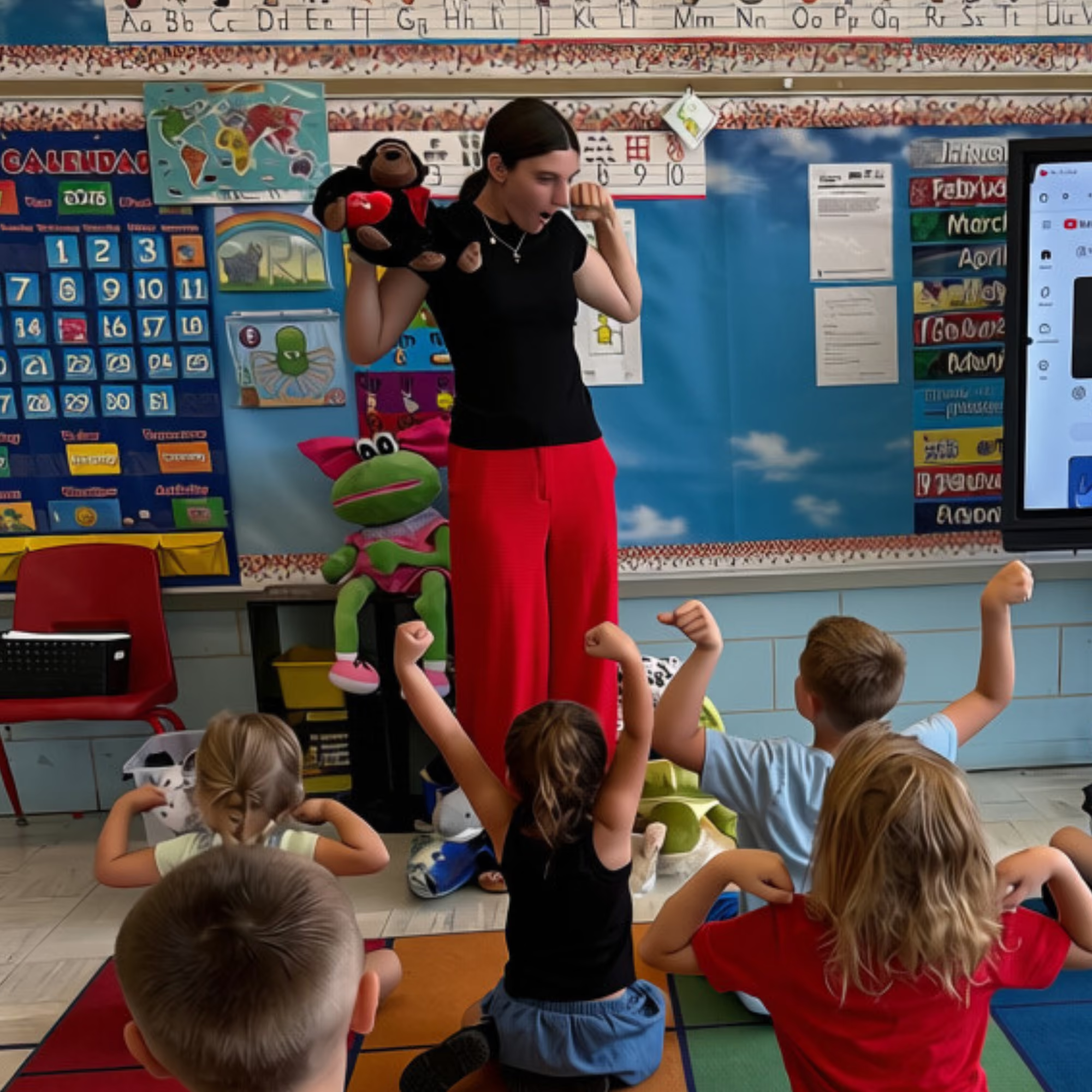
FCDAC offers a variety of school-based prevention programs to help students build skills, understand risks, and make informed decisions.
School-based services may include classroom education, small group programs, and evidence-based prevention curricula. Programs are designed to support students, educators, and families with age-appropriate information and practical tools.
Program Examples
Positive Action
Positive Action is an evidence-based program that features instructor-led lessons in a comprehensive approach, equipping students with essential life skills for their personal and academic success. Positive Action has a six-unit design that covers a wide range of topics, from self-concept to responsible decision-making, ensuring a thorough and systematic development of key competencies.
Too Good for Drugs
TGFD is an education program designed to mitigate risk factors and enhance protective factors related to alcohol, tobacco, and other drug (ATOD) use. The lessons introduce and develop skills for making healthy choices, building positive friendships, developing self-efficacy, communicating effectively, and resisting peer pressure and influence.
Botvin LifeSkills Training (LST)
Botvin LifeSkills Training (LST) is a research-validated substance use prevention program proven to reduce the risks of alcohol, tobacco, drug abuse, and violence by targeting the major social and psychological factors that promote the initiation of substance use and other risky behaviors. This comprehensive and exciting program provides adolescents and young teens with the confidence and skills necessary to successfully handle challenging situations.
Catch My Breath (CMB)
CATCH My Breath is an evidence-based youth nicotine vaping prevention program that will provide your students with the skills to resist peer pressure and media influences to try e-cigarettes. The sessions can be taught during a normal class period, during homeroom, student enrichment time, after-school, or at other non-school activities and clubs.
Project Toward No Drug Abuse (PTNDA)
Project TND is an effective drug abuse prevention program that targets high school-age youth. PTNDA is implemented in the classroom with 12 sessions that are 40-50 minutes.
Stacked Deck
Stacked Deck is an evidence-based curriculum for the prevention of problem gambling among teens and young adults.
Gambling In Gaming (GiG)
Gambling in Gaming focuses on helping youth understand how gambling can appear in video games through features such as loot boxes, microtransactions, and chance-based rewards. GiG also teaches participants how gaming and internet use can affect the brain, emotions, and decision-making, while showing the differences between skill-based gaming and gambling. It also promotes awareness of problematic gaming and internet use, encourages healthy screen-time habits, and provides strategies for making safe, informed choices when engaging online.
Kids Don’t Gamble... Wanna Bet?
Wanna Bet? is an interdisciplinary program designed to discourage underage gambling through improved critical thinking and problem solving.
Teens/Kids and Tech
Teens and Technology focuses on the impact of a digital footprint, highlights the type of information that is safe to share on the internet, and information that is NOT safe to share on the internet as well as safe and healthy habits regarding online gaming.
INDEPTH
Intervention for Nicotine Dependence: Education, Prevention, Tobacco and Health (INDEPTH) is a new, convenient alternative to suspension or citation that helps schools and communities address the teen vaping problem in a more supportive way.
Not On Tobacco (N-O-T)
Not On Tobacco® (N-O-T) seeks to address this growing problem of teen nicotine use by giving all teens the resources they need to break nicotine dependency and find healthier outlets.
Power of Youth
POY is one of the programs that MADD (Mothers Against Drunk Driving) provides. This program is research-based and gives information on the dangers of underage drinking and other drug use. The goal is to prepare youth with the tools to resist peer pressure and empower them to take the next step and influence their friends to make the right choices.
What Happens When You Contact the Prevention Team?
STEP 1
Reach Out
Email our Prevention Team by clicking this link.
STEP 2
Tell Us About Your Audience
A prevention specialist can learn more about your group, setting, preferred topic, and goals.
STEP 3
Explore Program Options
The team can help identify a program, presentation, campaign, or resource that may fit your needs.
STEP 4
Plan the Next Step
When appropriate, the team can coordinate scheduling, materials, and next steps.