Student Assistance Program
SAP is designed to identify academic, social, attendance, substance use, mental health, and other concerns which could get in the way of students' success. The primary goal of SAP is to help students overcome these concerns so they may achieve, advance, and remain in school.
If you have a concern about your child, contact a school counselor. Anyone can refer a child to SAP.
Who is the SAP Team?
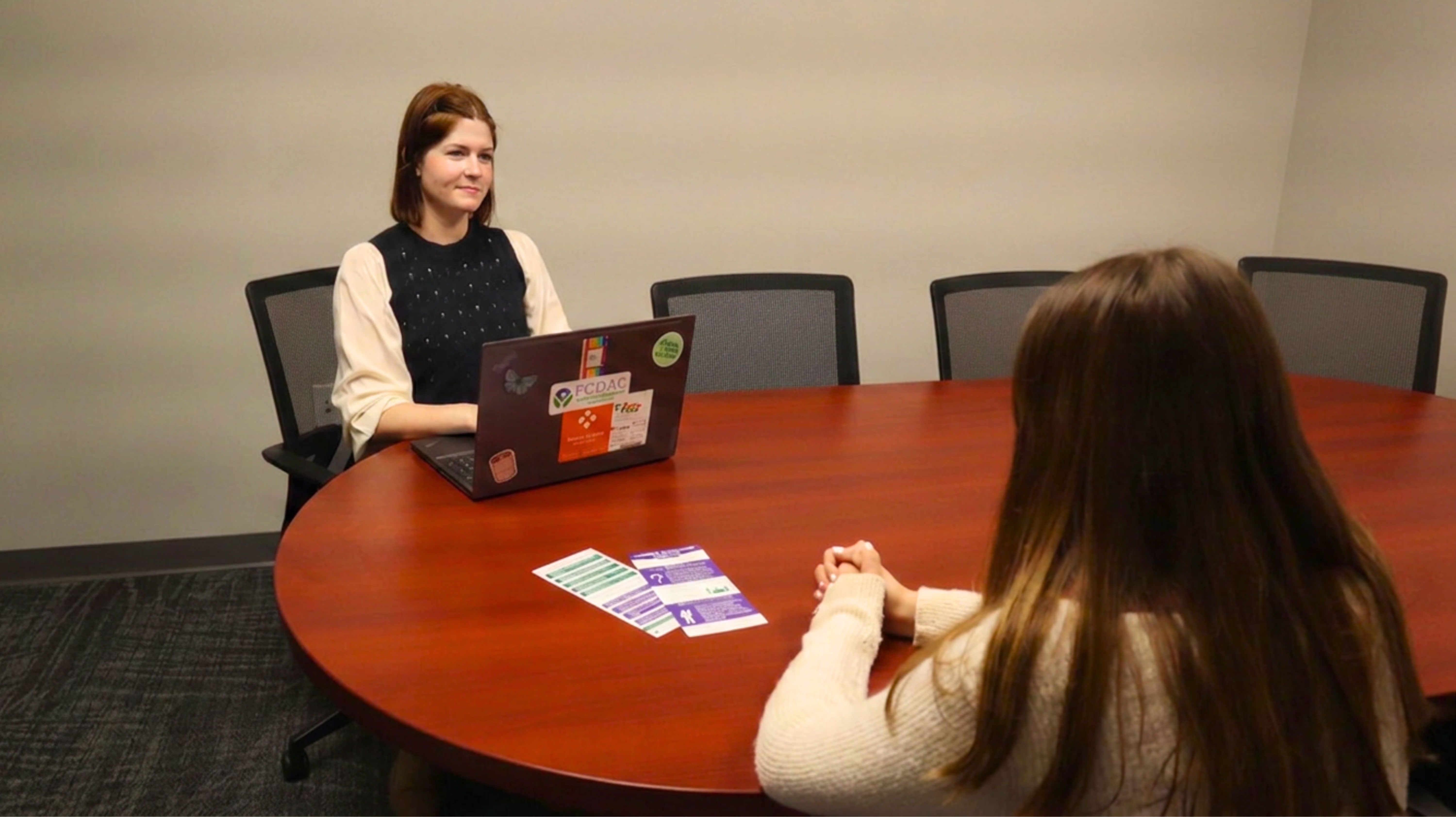
The SAP team is made up of school staff and individuals from community organizations who care about your child and are certified in SAP. Every school building has a SAP team and a SAP liaison from FCDAC. The SAP Liaison provides a behavioral health screening and recommendations for services for students that have been identified as needing additional support.
How Does SAP Work?
STEP 1
Student is Referred
A student is referred to the Student Assistance Program when there is a concern that may be affecting their success, well-being, or school experience.
STEP 2
Permission is Requested
The SAP team requests parent or guardian permission for the student to participate in the SAP process.
STEP 3
SAP Team Reviews Next Steps
Once permission is given, the SAP team reviews the concern and determines what support may be helpful for the student.
STEP 4
Screening With the SAP Liason
If additional support is recommended, the student may be referred to the SAP Liaison. Parent or guardian permission is required before a behavioral health screening takes place.
STEP 5
Follow-Up and Advice
After the screening, the SAP Liaison follows up with the parent or guardian to review recommendations and discuss possible next steps.
SAP Groups
Session times vary based on each group.
SAP groups are available to each district through the SAP Program. These groups are designed for students who have been referred to SAP, have received parent/guardian permission, and are identified as needing mental health support. They may also benefit students who are unable to access services outside of school or who would benefit from additional peer support.
These groups provide a safe, supportive environment where students can build skills that promote personal growth, resilience, and success. Through participation, students develop strategies to manage behavioral health concerns and address challenges that may be impacting their academic performance.
The ages range from K-12 depending on the group. There are 7-10 group sessions depending on the group. We also offer parent sessions and individual sessions. The time per session also varies from 30-minute small group or 50-minute classroom sessions.
CBITS
Offered to grades 5-12, ten 45-minute sessions, and recommended to reduce symptoms of PTSD/Trauma and coping skills.
Bounce Back
Offered to grades K-5, ten 45-minute sessions, and recommended to reduce symptoms of PTSD/Trauma and coping skills.
Blues Program
Offered to grades 9-12, six 1-hour or eight 45-minute sessions, and recommended to reduced depressive symptoms.
COPE
Offered to grades K-12, seven 30 to 50-minute sessions, and recommended to reduce anxiety, stress, and depression.